Bicentennial Baby Bust
50 fragments to mark as many years

1
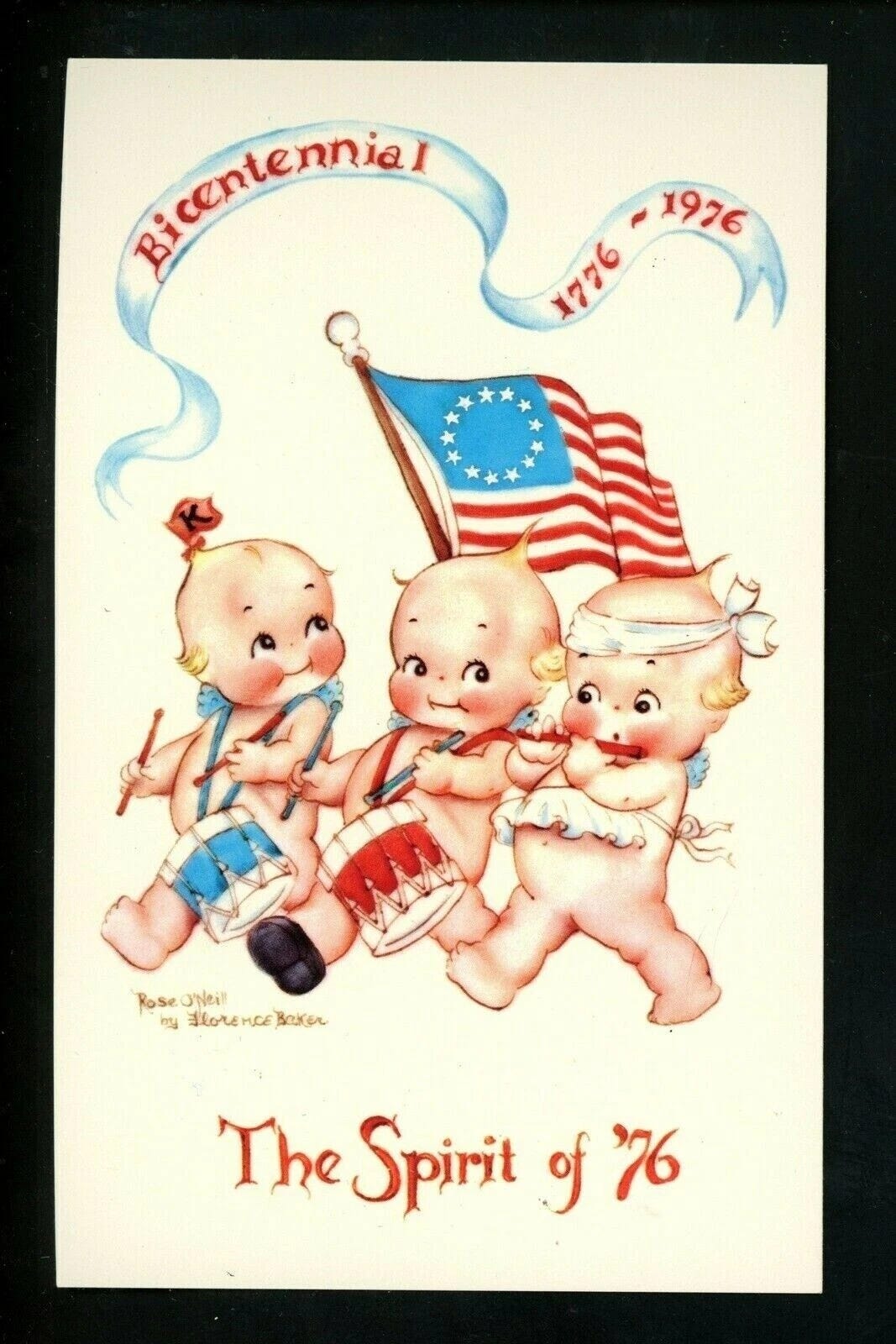
I was almost a “bicentennial baby,” they told me growing up. I could have been born on the 200th anniversary of our nation’s founding, but I showed up four days too soon, on the exact fulcrum of the calendar. For me, the middle of the year was a glorious run: end of school, solstice, birthday, and Fourth of July—often punctuated by a family vacation on the Jersey Shore. Back then, I actually looked forward to summer.
2
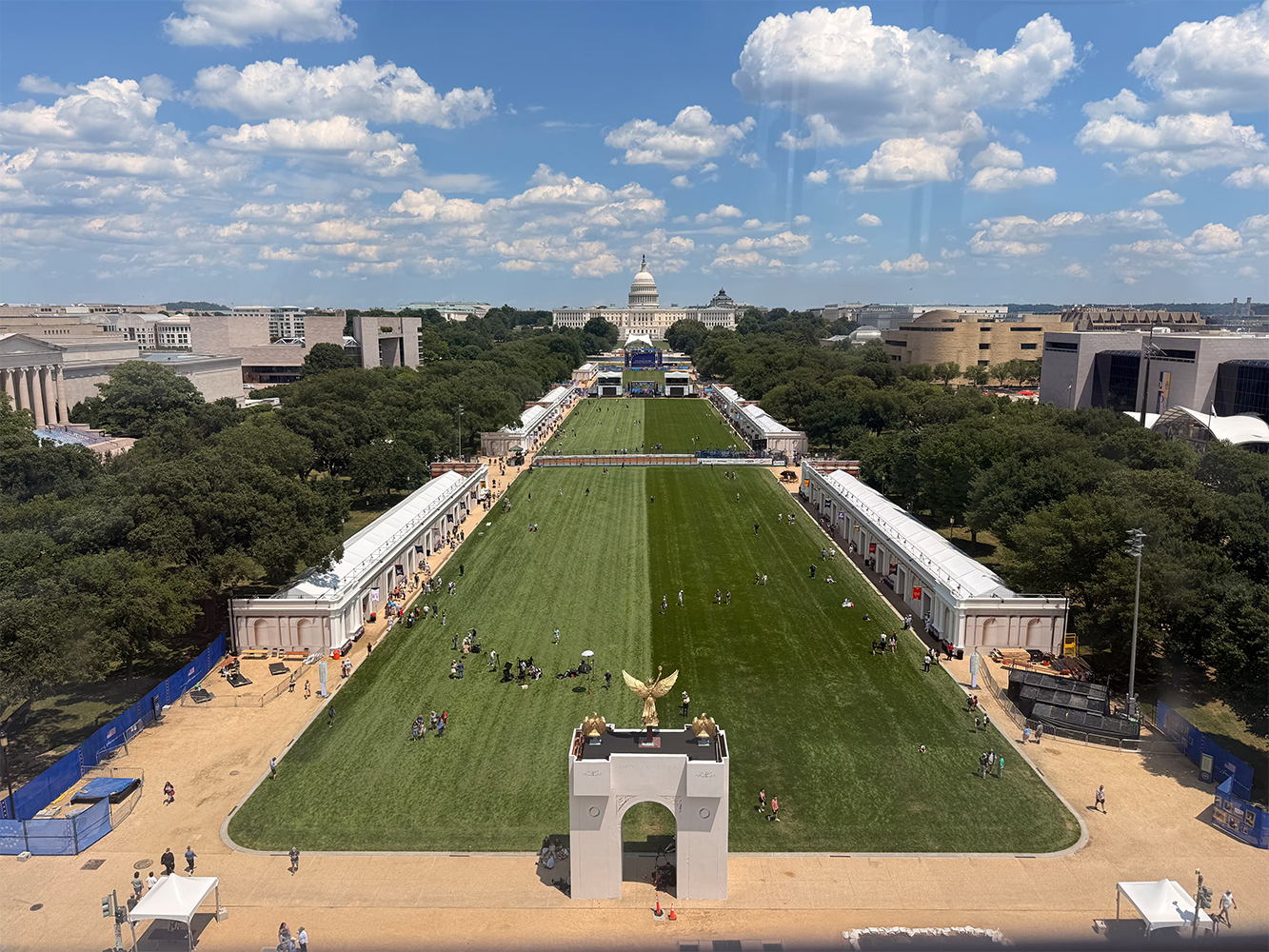
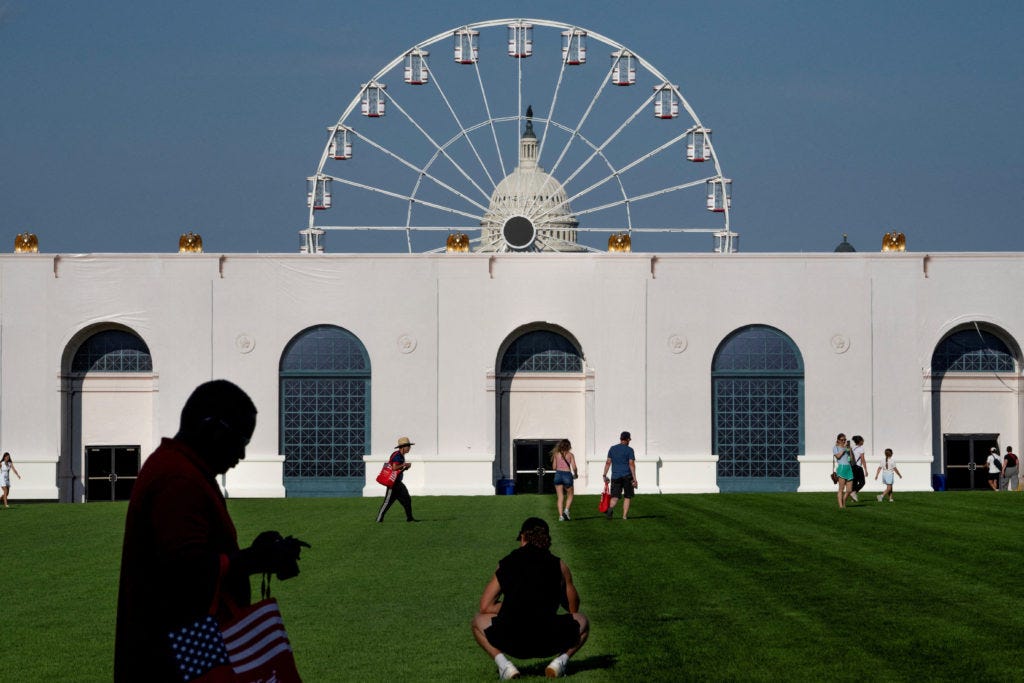
Turning 50 the same week as the most lackluster semiquincentennial celebration in world history—riding a historic heat wave to boot—felt just a bit on the nose. I do favor modest birthdays, even on milestone years, but this time—scrolling through photos of the empty Mall in Washington, contemplating that gimcrack arch, smelling the reek of corruption from all the way up in New York—it started to feel personal. Is this really all we have left?
3
It didn’t help that a friend and colleague had just unexpectedly passed away. Ken Simon was a fixture of our days making theater at The Brick—though Hope and I never worked with him as an actor, he was a ubiquitous presence at our shows, and at everyone else’s. He bellowed with laughter at every last joke as if he’d been punched in the gut—the rottener the better. He was a menace and a blessing at the same time.
4
I hadn’t seen Ken in years—since before the pandemic, actually. He could be a handful, and so I’d let him slip. We’d cross paths again soon enough, I figured. But that’s never a guarantee. So the usual grief of proximate mortality came with its frequent corollary: guilt at having neglected the living.
5
The day after my birthday, a large group of people would convene at The Brick for a celebration of his life. I wish I could say I didn’t dread it—it would be the first time I’d enter that building, to which I’d devoted countless hours across a solid decade of my life, since 2019. I get more overwhelmed by people than I used to, especially the ones I actually know.
6
I started my birthday pissed because I had to get on a Zoom for work. I’d taken the day off, but a client needed to speak to me directly before taking the rest of the week off herself. I hated that my time was less valuable than hers. I tried to forget about it the second it was over.
7
The weather would worsen over the coming days, but that didn’t mean it was beautiful. I put on long pants because we were going to an event that night and I didn’t want to look like a slob. I always feel stupid wearing shorts, like I’m too weak to face the world’s difficulties head-on. My dream would be to wear a perfectly tailored suit every day, in a wide array of jewel-tone colors—burgundy, sienna, forest green—with an outlandishly patterned shirt underneath. But I don’t like spending money on clothes, and sometimes it’s too damn hot.
8
It was a relief last weekend when the heat wave finally broke. I’d trade hundred-degree humidity for the deep snows of winter in a heartbeat. I hate them both, but I hate the cold less. When it’s cold, I feel less anxious about the way we’re killing the earth.
9
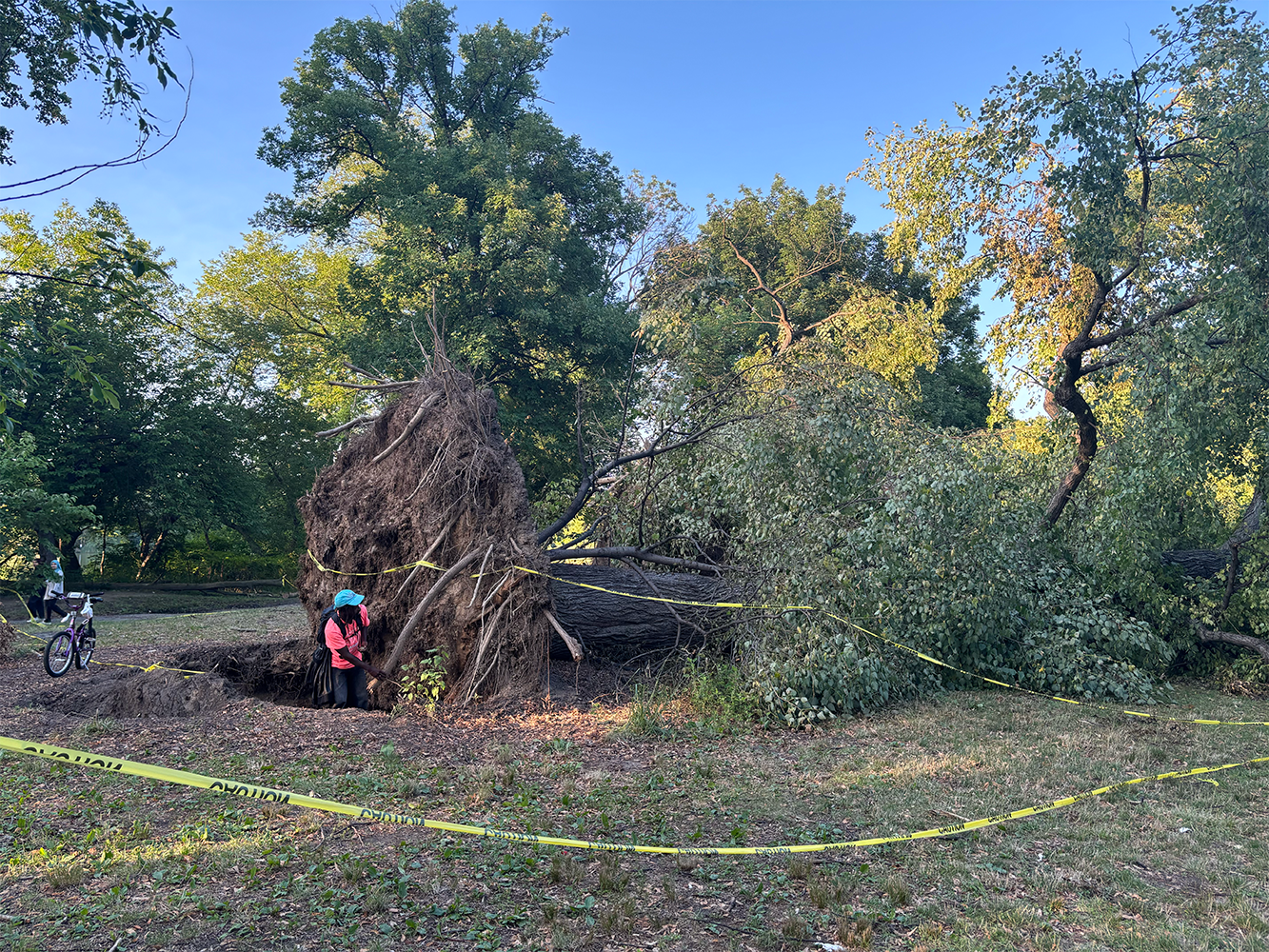
This week was still sticky but much cooler, so Hope and I walked the dog through the park. We were shocked at how many trees had fallen. Hope read a report from the Prospect Park alliance: 90! Several were giants, felled by what I had thought were modest thunderstorms. How had they stood strong for more than a hundred years before dying at the hands of some random wind? It could happen to anyone, I guess.
10
The craziest storm, I heard, was Friday night. We didn’t even see or hear it; we were underground at a movie theater. When we emerged at the end, Brooklyn was 20 degrees cooler and sopping wet. Our block was littered with branches, and our phones showed us a sandstorm in Coney Island. But while the film flickered in front of us, we had no idea what was happening outside.
11
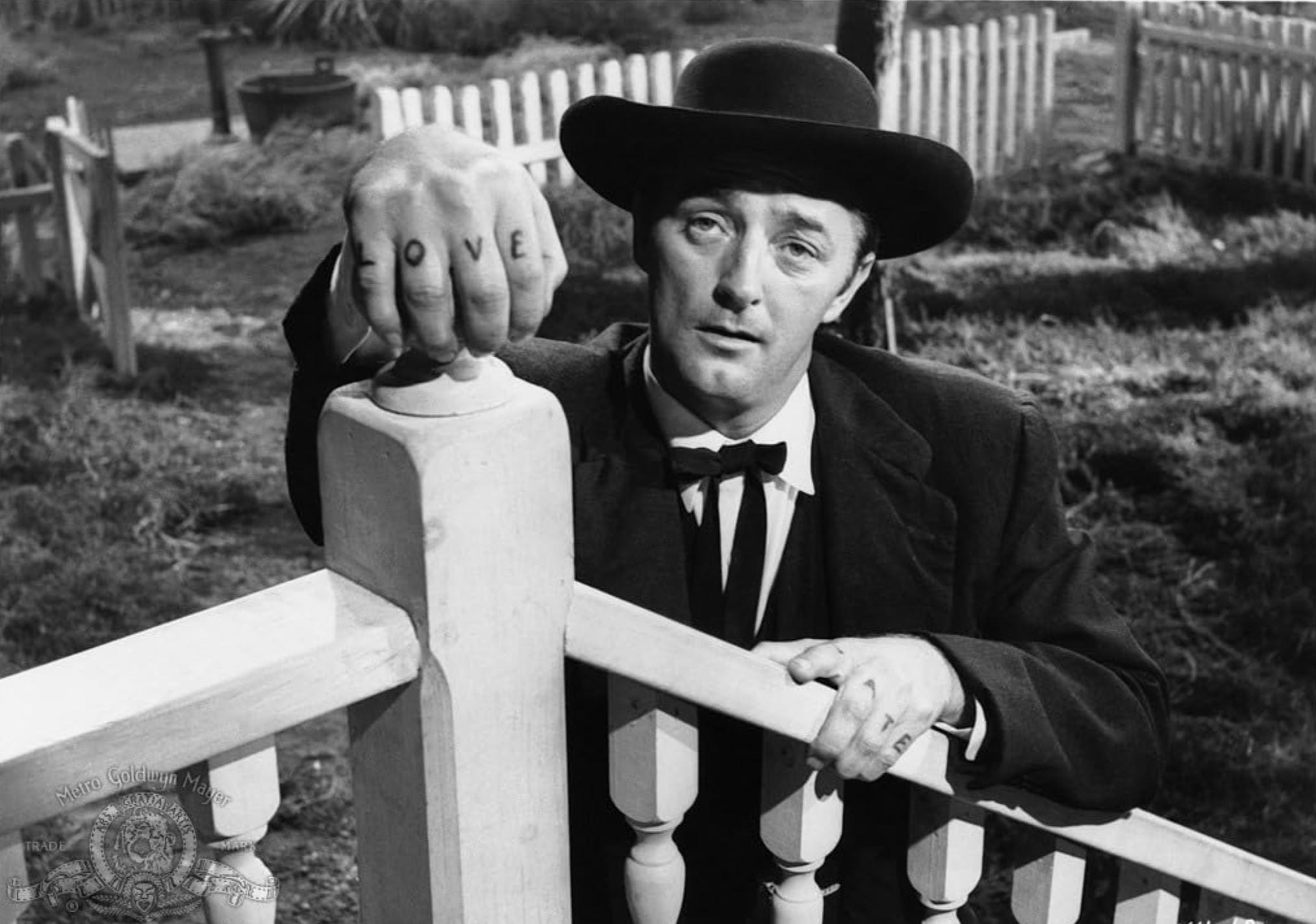
We had brought Dash to see The Night of the Hunter at BAM. This was one of Hope’s favorite movies growing up, and we’ve watched it together many times. It was almost obscenely appropriate for this moment in our nation’s history. A misogynistic predator with delusions of grandeur, played by Robert Mitchum, stalks children in order to kill and steal. Masquerading as a man of God, he gets away with almost everything, because everybody lets him. The difference is that Mitchum is sexy.
12
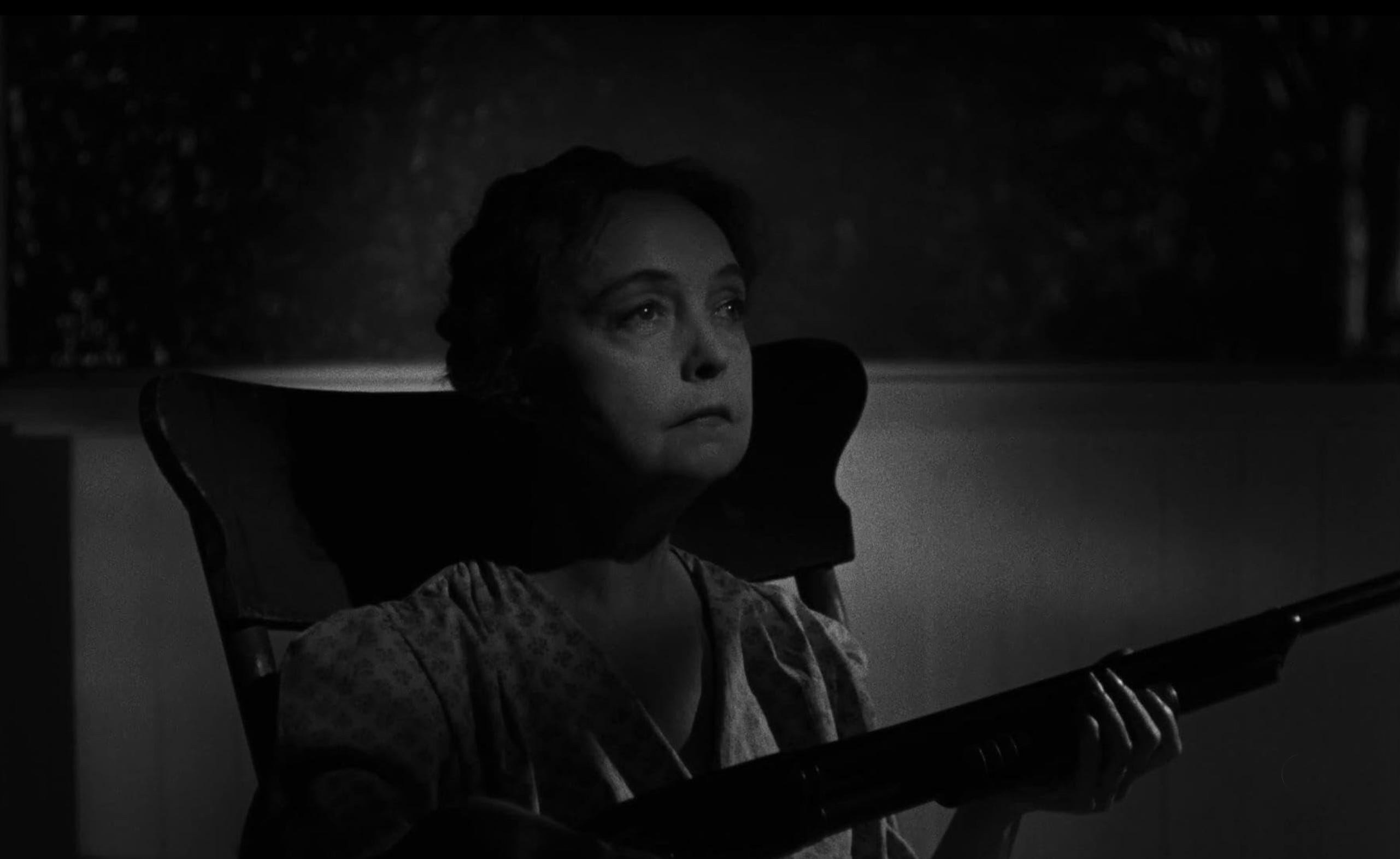
The movie has a happy ending in the form of Lillian Gish, playing a steely widow who will stop at nothing to protect the children. “It’s a hard world for little things,” she says. Her performance brought tears to my eyes as it never had before. Where’s the tough old lady who will save us?
13
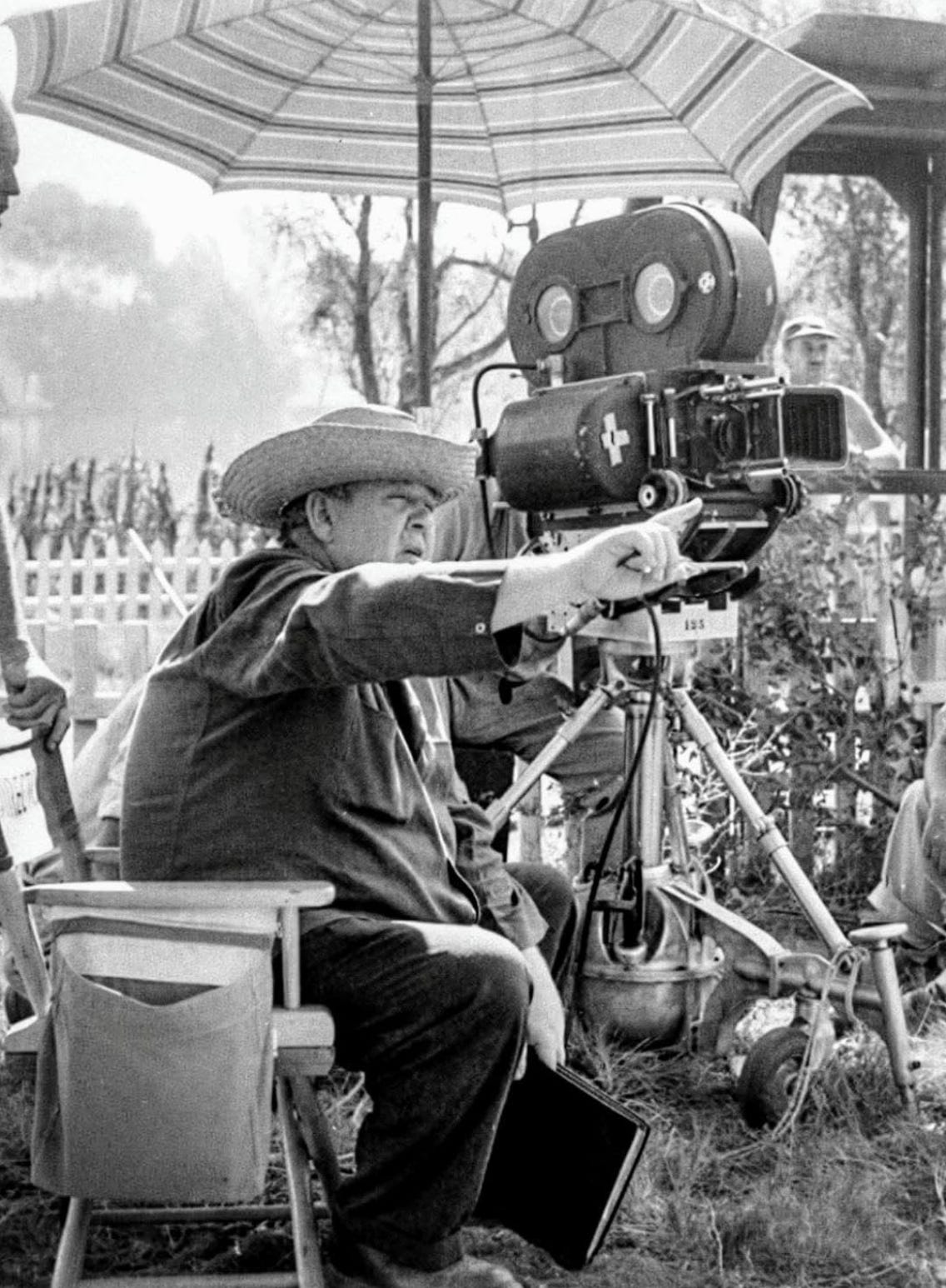
The Night of the Hunter is the only movie ever directed by the great British actor Charles Laughton, and it was such a flop that he never directed again. Which is tragic, because there’s no movie on earth like it. It’s a backcountry noir, a riverside fairy tale, that manages to be heavily stylized and emotionally precise at the same time. I had forgotten how funny it was. The rarity of its vision makes it precious.
14
Spoiler: Mitchum’s character gets caught. You want to see him lynched, burned alive, eviscerated on screen. But Laughton denies us that catharsis. Once he’s trapped, the law takes over. The people who used to love him are now calling for his head, and the last we see of him, cops are hustling him away from the mob. The system works like it’s supposed to—coldly, efficiently, with justice for all. Like I said, it’s a fairy tale.
15
On Independence Day itself, we went to another movie. It was too hot to do anything outdoors, and we didn’t much feel like celebrating. Assholes in our neighborhood set off fireworks until 4am, jolting us awake and tormenting our already high-strung dog. We live in a rapidly gentrifying, majority-Black neighborhood, and I kept thinking of the elders these fools were robbing of their sleep. If they wanted to blow things up and make people suffer, there were much better places to do it.
16
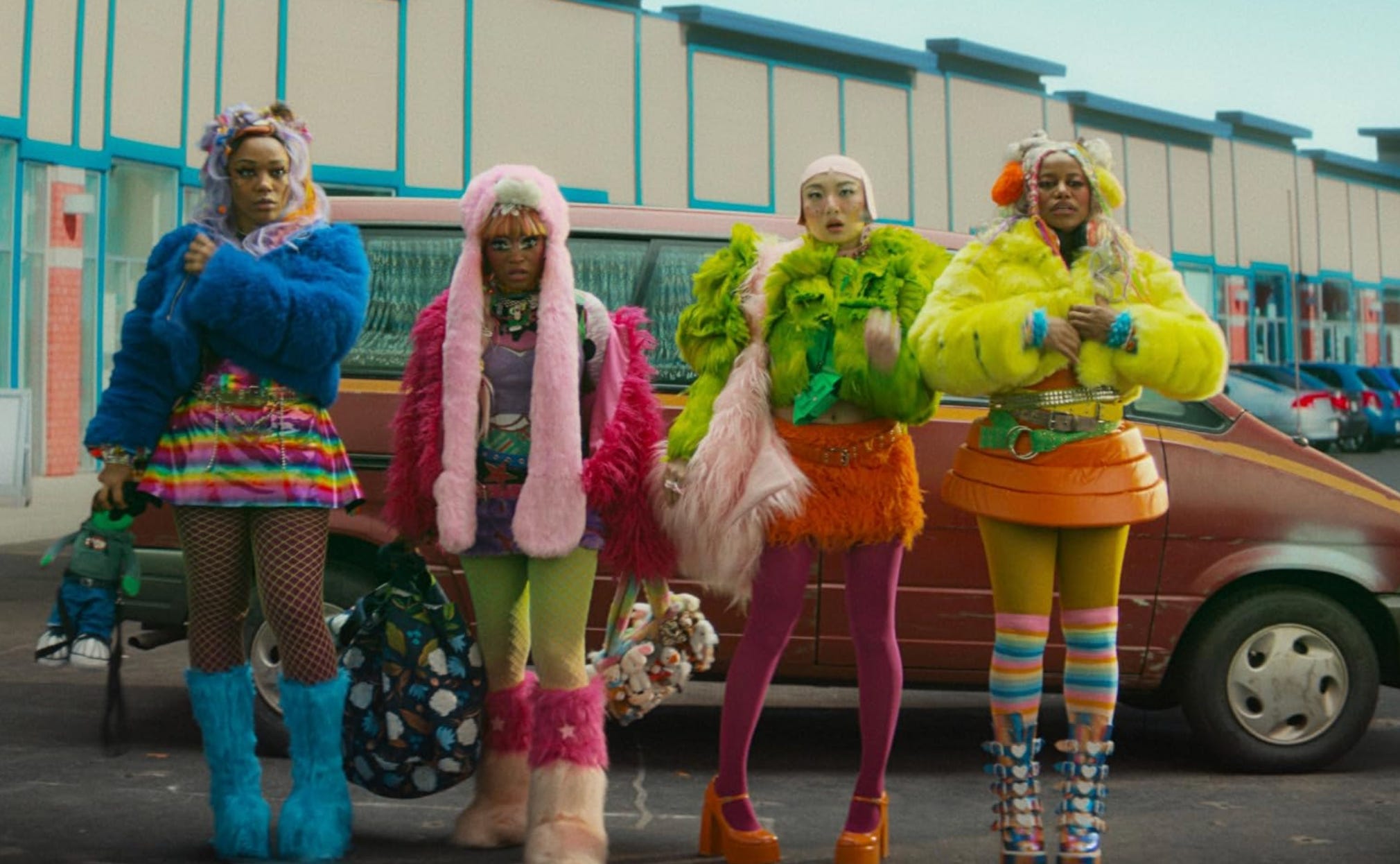
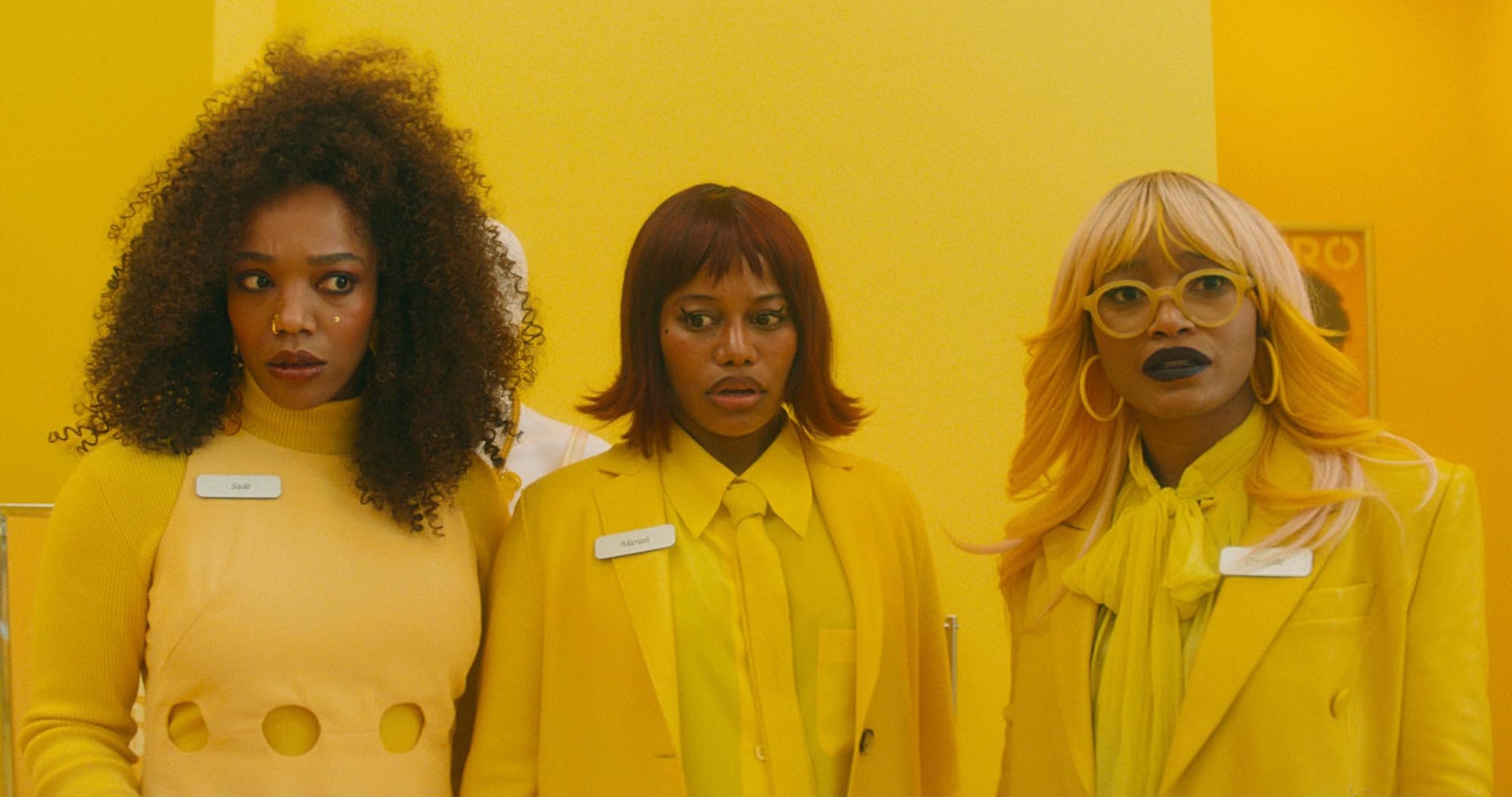
The movie that we picked—Boots Riley’s I Love Boosters—was a very different fable for our times. It follows a gang of Black working-class women in Oakland who “boost” luxury goods and resell them to support their art and their communities—a much better form of civil disobedience than pathetic sidewalk pyrotechnics (and why am I so sure that it was men who were lighting the fuses?). The boosters are committed to appropriating capitalism before it appropriates them worse. That movie too had a happy ending that brought tears to my eyes, in the form of a general strike that brought the wheels of exploitation to a standstill. Again, a fairy tale.
17
In contrast to Night of the Hunter’s stark black-and-white, Boosters explodes with color. And it’s crawling with exuberant gags—I’m not the first person to say it’s a Looney Tune brought to life. A movie I’d like to crack open, jump inside of, and live in its guts for a while. These characters, motivated by a sense of purpose, propelled by the momentum of antic physical action—they’re living the life I wish I was leading, here at age 50. They wear the clothes I wish I was brave, imaginative, or rich enough to own. There was a germ of my younger self in that movie—the pride, the ambition, the hope. Ugh.
18
In one of the strangest and most relatable images, the film’s main character is pursued intermittently by a giant Katamari ball of unpaid bills, court summonses, and other physical reminders of failure—an ominously rolling harbinger of everything yet undone. Sometimes I see my past like that: a monument of waste that’s always dragging behind me, getting heavier and more menacing each day.
19
Not that my life is awful right now—it’s just a bit disappointing. It’s the world that’s awful. But the world happens to be where my life actually takes place, so it’s not that easy to ignore.
20
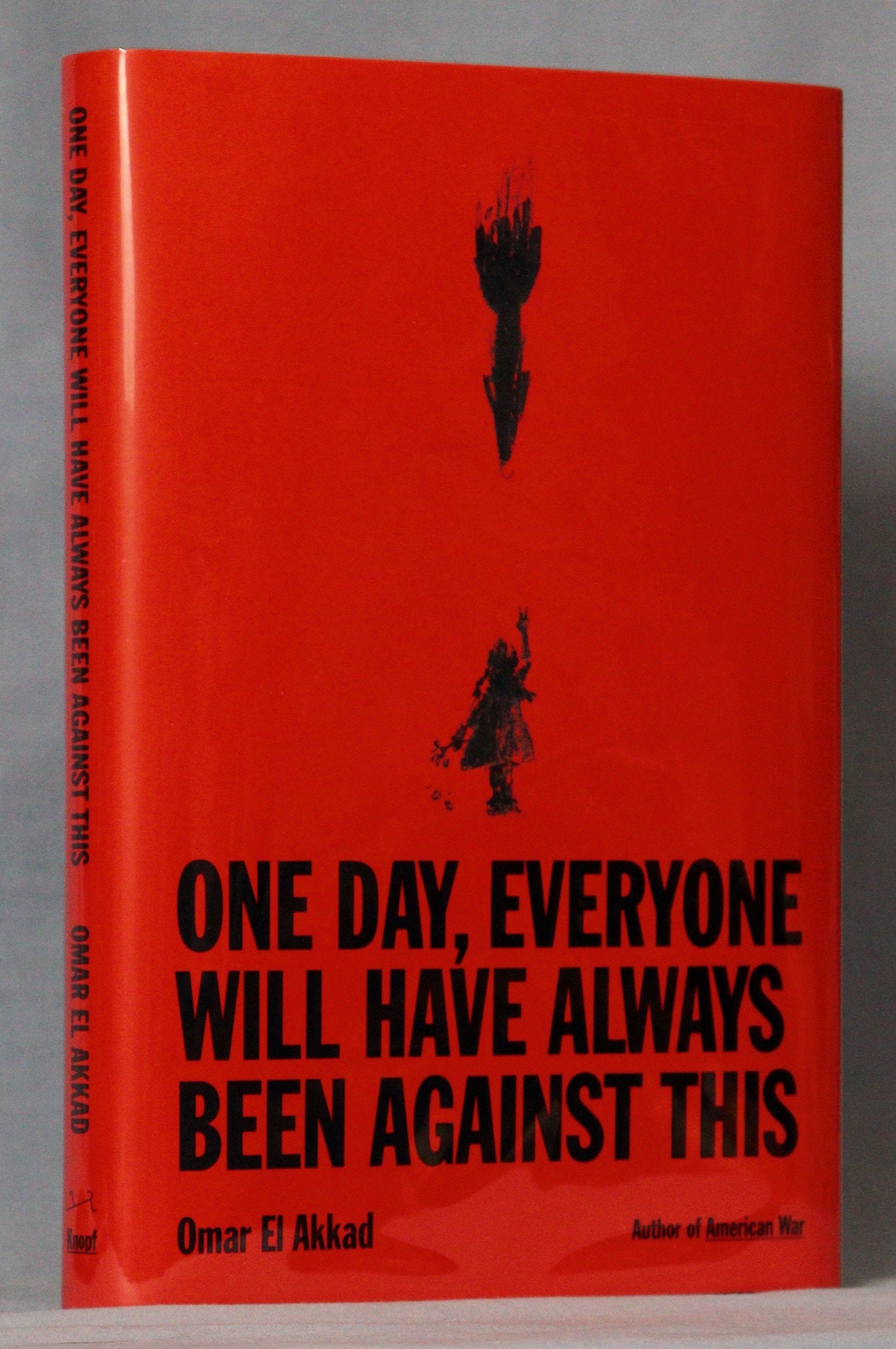
Not that we should be ignoring the state of the world. I read a book the other week that fucked me up: One Day, Everyone Will Have Always Been Against This, by the Egyptian-born author Omar El Akkad. It’s a searing indictment of the Western liberals who have let a genocide unfold unchecked in Palestine. I’m one of those liberals. The book was mad at me. And it was right to be.
21
I’m not going to write about Palestine at any length right now—I feel like even bringing up the topic puts me in danger of losing readers and friends. People I’ve always liked and respected seem convinced it’s a necessary evil. But I struggle to imagine how much history and context can justify the untold number of killings that have taken place in Gaza, and our country’s collective willingness to shrug it off. I can cry for Lillian Gish saving a handful of fictional kids in a 70-year-old movie, but what about thousands of actual kids across the ocean?
22
For years I’ve said to myself, what do I know? I’m a Polish Catholic kid from the New England suburbs who’s never been oppressed a goddamn day in my life. Sure, I’ve been bullied, ignored, belittled, demeaned—but I’ve never been credibly threatened. My ancestors weren’t killed in camps, I’ve never feared violence based on my ethnicity. Fifty years in, my life is unfolding according to narrative structures laid out for me when I was born. Even as I look out at untold suffering elsewhere in the world—at kids who will never become mixed-up adults—I remain preoccupied by my own bittersweet fable of unfulfilled potential.
23
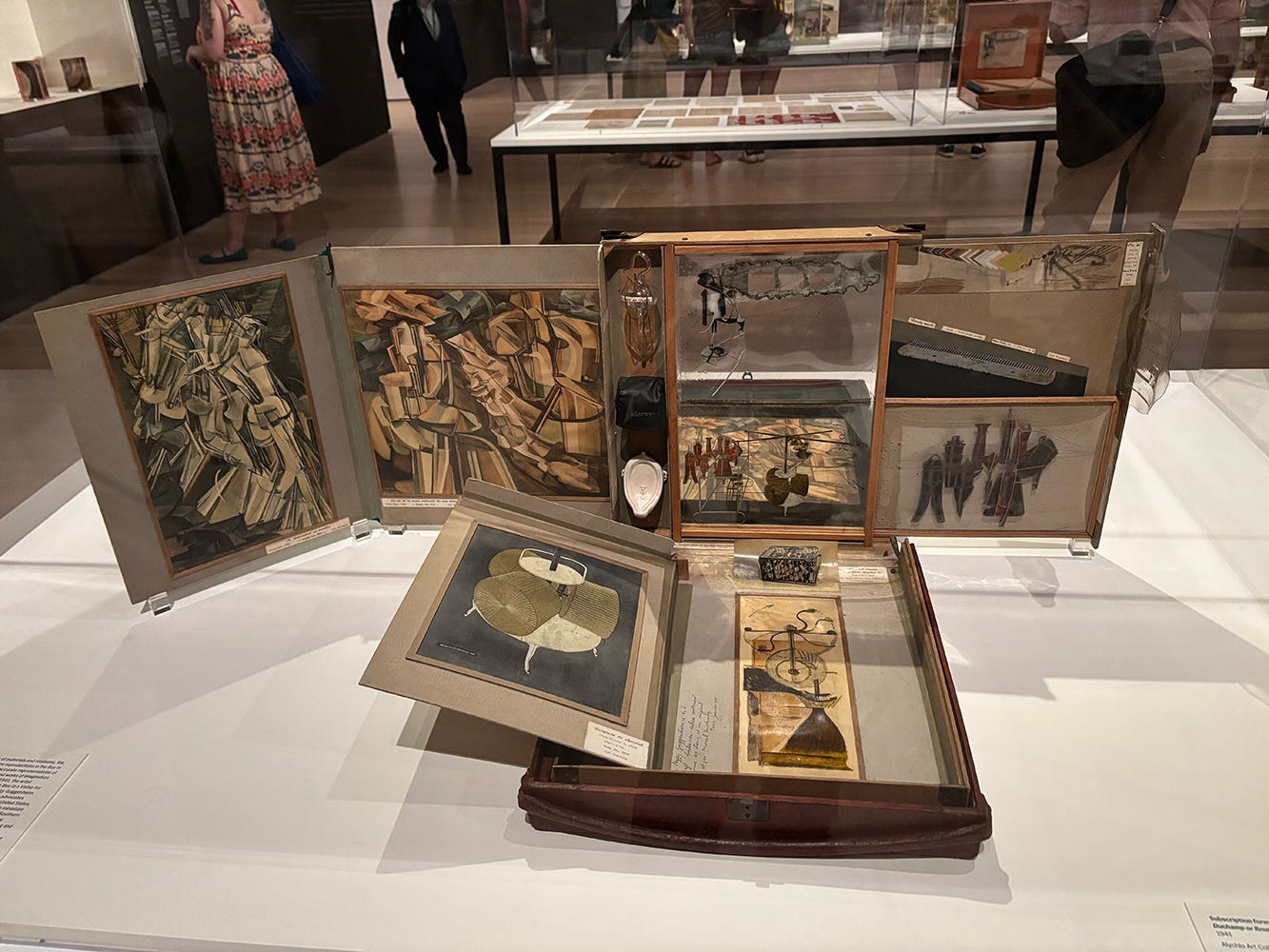
After breaking away from work, I was lucky to spend most of my birthday focused on what makes me happiest: the ingestion of art. The first stop was MoMA, where I got to see the big Marcel Duchamp show without having to muscle through the clamor of weekend crowds.
24
I’m in awe of Duchamp even as I sometimes hate him. In art-history terms, he “won.” He wrenched the focus of visual art from the image to the idea, which has resulted in a whole lot of alienating, annoying, and even harmful crap. I feel like he would have loved AI. And yet, a charm remains. He’s a flaneur of the mind, a guy who tricked the world and had the grandest time doing it. Hard not be envious.
25
I have to say, my favorite part of the show was the room filled with examples of the little valises he put together for collectors, filled with scaled-down reproductions of his earlier work. A career in a box, neatly packaged for willing buyers. The concept is cynical, but the execution ricochets into delight; the boxes seduce in their smallness. Duchamp’s life was half over when he made these, and he’d claimed his career was finished. Unknown to anyone, he was working on his eerie and ambitious Étant donnés in secret. As far as the world knew, the valises were looking backward—the fact that they weren’t is part of what gives them their power.
26
I can’t help but wonder: What would my valises be filled with? Nothing as iconic as tiny R. Mutt urinals and miniature Large Glasses, to be sure. I’ll never be a creative legend who changes the way we think about how we look, but I still love daydreaming about it. I would take it down off the shelf every week and fondle the little gewgaws that represent my proudest moments, reminding myself of how clever I’d been. But maybe then I’d get caught in the past, and it would be hard to make anything new. Not that I’m making enough these days. Not that I’ve ever made enough. If only I had more time, instead of less…
27
Just as exciting, though, would be a library of other people’s valises. What are the little tchotchkes and reproductions that define everyone else’s lives? Not just souvenirs, though—anyone can fill a box with memories. What would make these exciting is that they’d only show things that you’ve MADE. Tangible proof that you created something, changed the physical world in some way—had an impact. Something to see and touch, that wouldn’t have happened without you.
28
But what about a guy like Ken, who spent his life as an actor? What would someone like him put in his little valise? Photos? Anyone can take a photo, and anyone can be in a photo. Yes yes, he lives on in our hearts. But our hearts are fickle receptacles. What’s wrong with me that memories don’t feel like enough?
29
Or the movies that I enjoyed this week—the flickering images on a screen. Where do they go when the world burns? Does a Duchamp valise have a greater chance of survival than the negative of Night of the Hunter or Boots Riley’s digital files?
30
Is something more precious if it remains? Or if it’s gone forever, except in our minds?
31
On the evening of my birthday—the reason I wouldn’t wear shorts—we went to the Grolier Club, a private members-only library housing rare books from across history. I’d managed to get tickets to a small event held by the San Francisco-based Letterform Archive, which collects and maintains a wide array of unique physical objects based around print and typography.
32
In a cramped, book-lined room several stories above the Club’s public galleries, our hosts showed off a handful of treasures from their collection—only enough to fit on a carry-on bag, as they told us at the top. Their usual events in the Bay Area attract a dozen or so people at a time, who are allowed to handle the goods so long as they wash their hands. Our group numbered around 40, so no touching this time. The presenters held every book open for the group to gawp at—storytime for a rarefied posse of snobs.
33
The offerings included 17th-century calligraphy and Bauhaus-inspired ephemera, and it was all wonderful, even (especially) if there were some snarky aesthetes who shouted out various obscure criticisms that made me feel like underdressed despite my big-boy pants. But two pieces were especially magical.
34
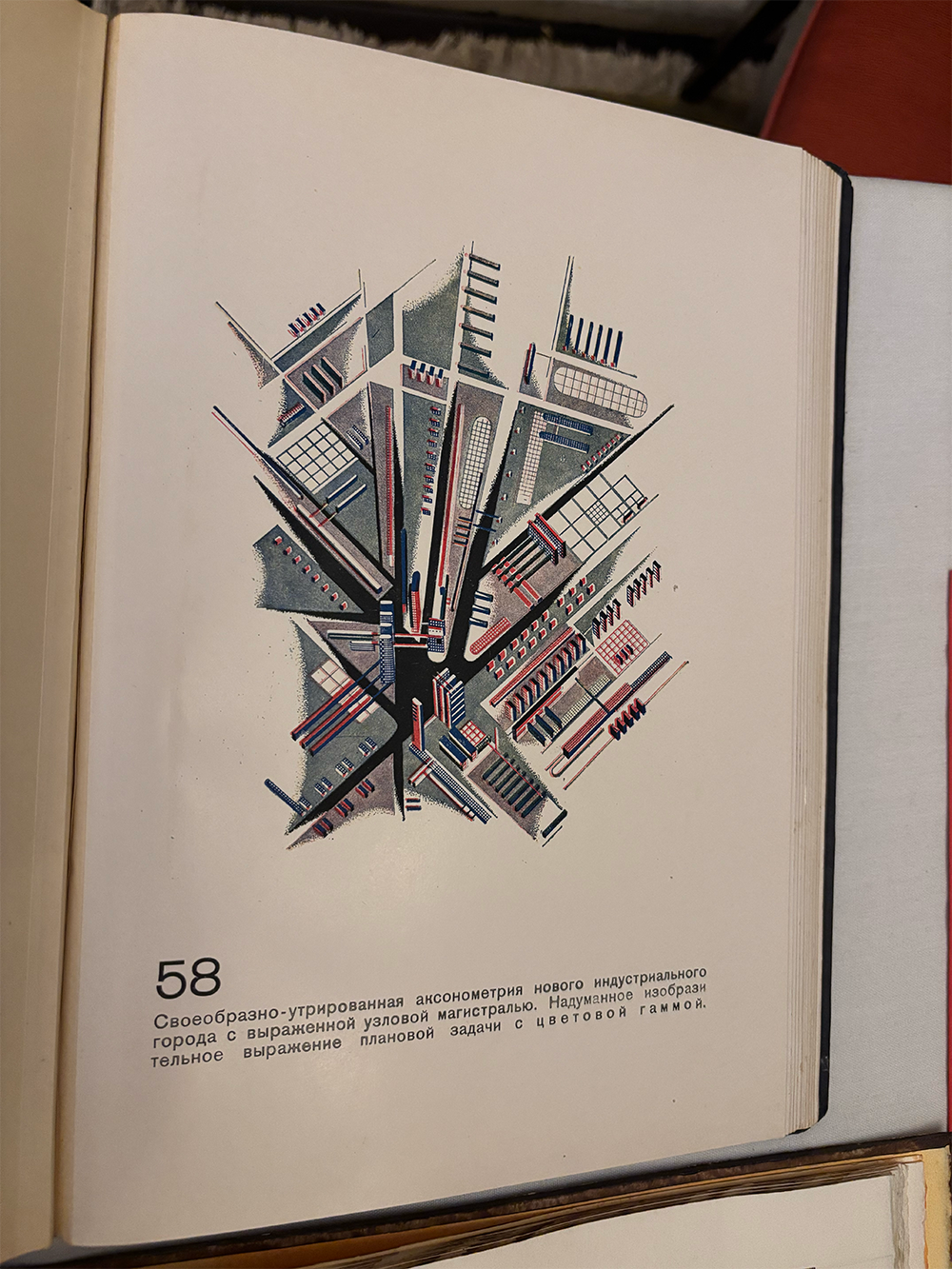
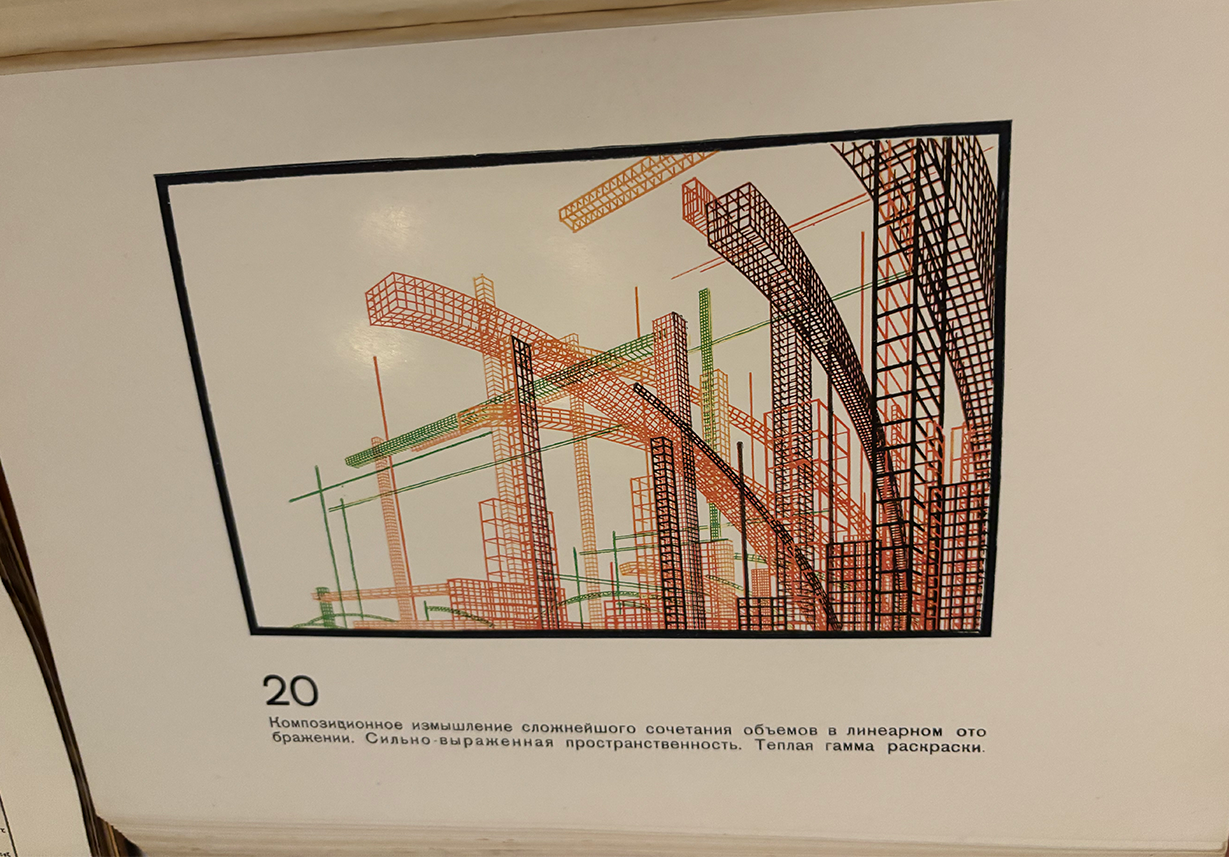
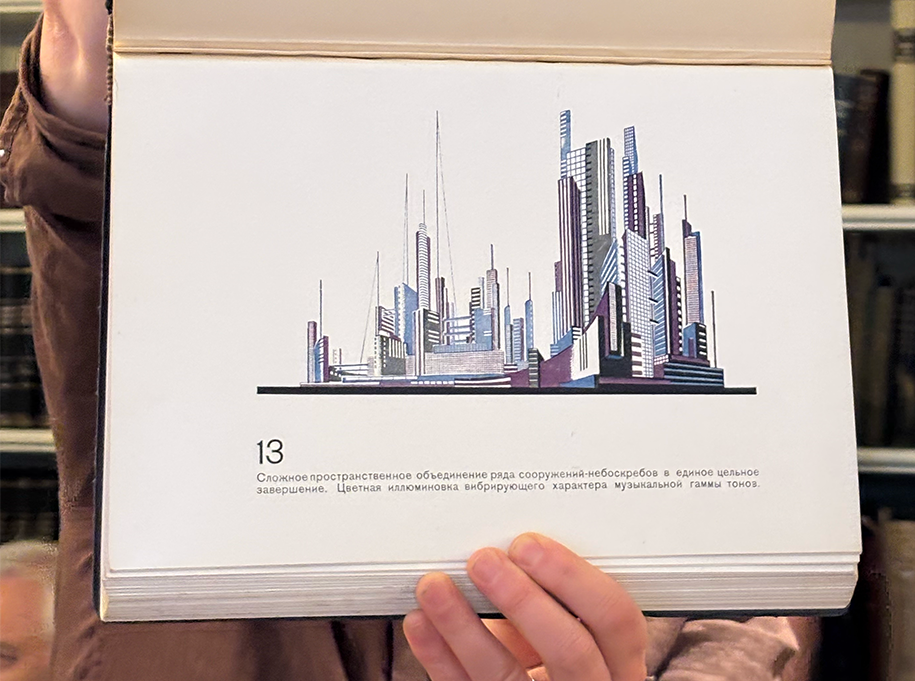
The first was a collection of experimental architectural renderings from Soviet Russia, printed in garish (gorgeous) colors. They veered from deco skylines into realms of sci-fi abstraction, like Kandinsky paintings for the residential market. These images made my heart ache, because I can only dream of living in a world suffused with such optimism, where it felt like amazing things could still be built.
35
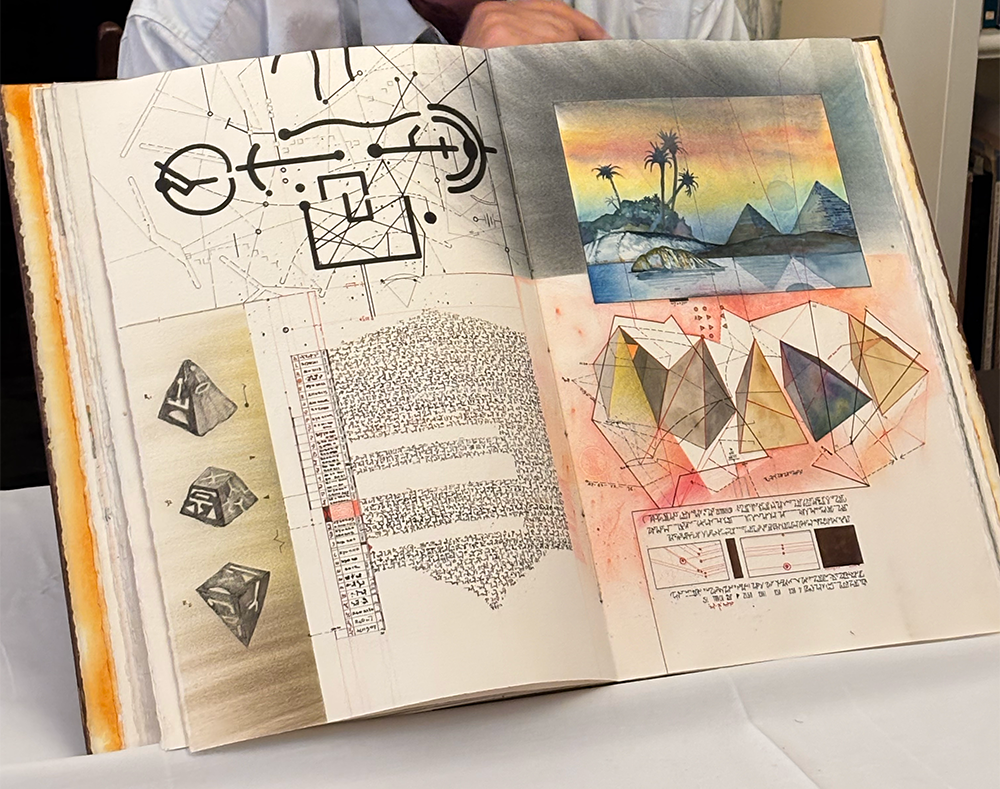
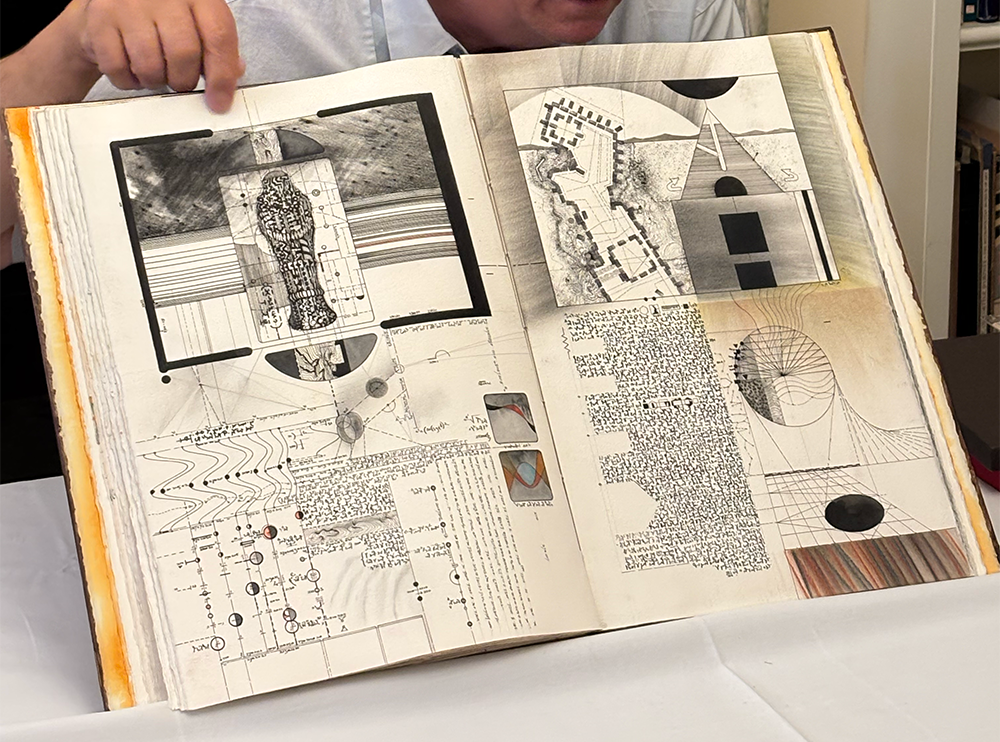
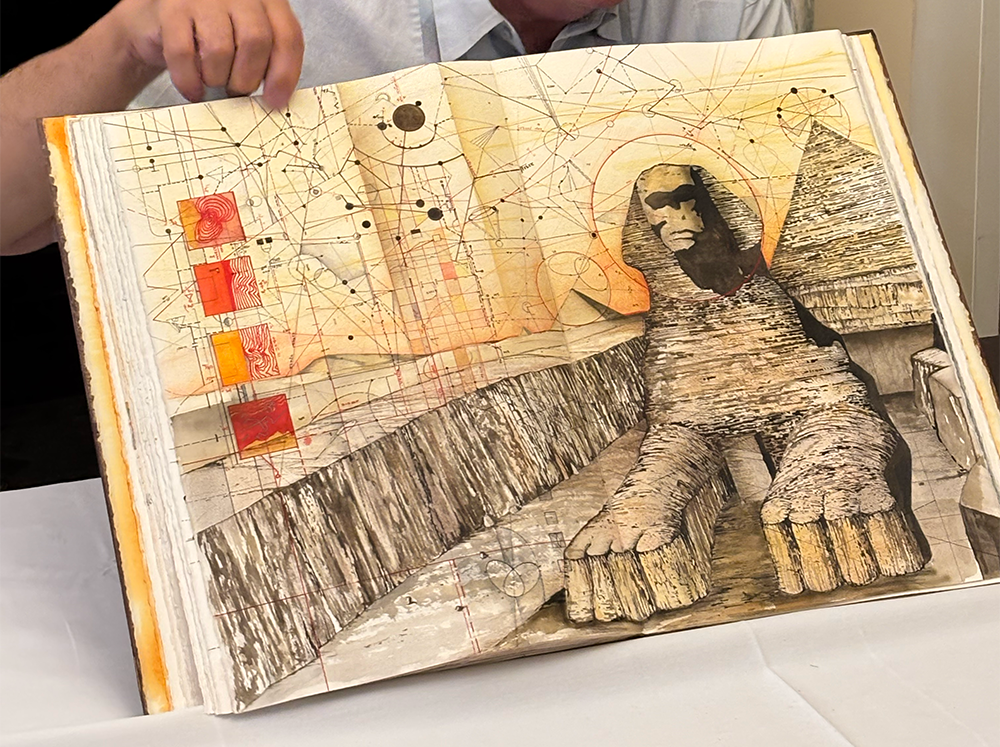
The other piece that floored me was a fully hand-bound and hand-painted book by an artist named Timothy C. Ely, called The Flight into Egypt. The oversized tome featured exquisite watercolors on every page, depicting pyramids and sphinxes alongside vestigial charts and graphs. The key to unlock it doesn’t exist, because the writing is asemic—any meaning it conveys is visual and emotional, but not linguistic. Every inch is a lovingly rendered mystery. What it couldn’t tell me made me want to weep. Yet still, I couldn’t help but think of a white artist turning to the mythical East for comfort and justification. Why do we keep doing that?
36
As inspiring as the evening was, I was compelled to contrast what I saw with my own modest output. I spent my youth bloated with unrealistic dreams of how great I’d become. It’s a wonder I didn’t turn into a bigger asshole than I am. Part of the rush of enjoying art is the visceral pull of its shadow: Why couldn’t it have been me? I remain haunted by the ambitions I left behind. Again, what would I put in my valise?
37
Inevitably, my thoughts turned to the main creative anchor of my current life, which is editing my publication slips slips. It’s the most tangible thing I’ve made in ages, with by far the farthest reach. It makes me feel more energized than I’ve been in many years—since before doing theater drained me out. Every day I’m focused on getting copies out into the world, cajoling people into submitting to our next issue, and dreaming about how the project can keep growing and touching as many people as possible. And still, it’s never enough; and still, the time slips through my fingers.
38
An astonishing thing started to happen on my birthday. Over the course of the day, even as I pored over (without touching) the pages of Flight into Egypt, we received several submissions from writers and artists in Iran. Iran! The country on which we’ve inflicted an entirely unjust and unnecessary war, because apparently the trauma in Gaza wasn’t enough. We’d been bombing Iran for months, killing their children too, and in a few days we’d start bombing them again. And now people who lived there were writing to me, sharing their work, hoping for a connection.
39
We’ve since received dozens of submissions from Iran—more than those from everywhere else combined. I’m reeling from this. Most are translated from Farsi, though some have been written in English. When responding to each of these artists, I’ve asked how they found out about us. Apparently someone posted our listing to a Persian user group, and it’s been reposted and reshared across the Iranian artistic community. People have told me they’re eager for the chance to have their work published in the West, outside of the oppressive regime where they live. Getting attention outside of Iran can create a foothold to help them get out. Another fairy tale, the cynic in me shrugs.
40
Some people have told me their stories. One man, who submitted a story in the form of a dark fable, told me he has a court date with the Revolutionary Guard next month, as punishment for a play he directed that was critical of the revolution. Video of the production is on YouTube; without understanding a word, I could see that it was serious, intense, and, considering the circumstances, incredibly brave. I can’t imagine having the courage to stage something so bold and so dangerous. Definitely not a fairy tale.
41
Suddenly I feel an immense sense of responsibility for this man I’ve never met, for all the other people who have taken the time to share their work with us. We couldn’t possibly publish all of it, but receiving it and engaging with it comes with a deep sense of meaning. Is it enough meaning to fill the cavity that I spent every day tiptoeing around? Or is it even my meaning to claim? Am I stealing from these people, who are facing difficulties I can only imagine, to satisfy my own self-esteem? Is that what happened when I read the book on Gaza—appropriating someone else’s pain?
42
A few days after Ken’s memorial, we went to a wedding. It was at the Brooklyn Botanic Gardens, and we spent the evening wandering through the greenhouses and admiring various artificial biomes. There was a desert room, a tropical room, a room filled with bonsais—carefully cultivated miniatures, organic works of art. It had been very hot during the day, but as night fell, the rain burst out again, and water poured down the glass roof atop the reception.
43
Weddings can be fun, but, for a solipsist like me, they can also be tedious. Any event that doesn’t revolve around me is a missed opportunity. They give me a chance to dress up, at least. And I had to admit, grudgingly, that it felt good to be back in company. Many of the guests had also been at Ken’s memorial. “One Wedding and a Funeral,” I joked to literally everyone, because I am compulsive about my perceived wit. It was the first time in many years that I’d seen so many people twice in the same week. My theater days are long behind me, and I miss them, even though I don’t.
44
For all my judgment of others, I know I can be off-putting. My need is too clear, I’m too obsessed with myself and my feelings. I’m too protective of myself to truly bleed for others—I keep my empathy endurable. I’ve grown very good at cutting things out of my life that are tiresome or inconvenient, and the things I can’t avoid, like a call for work, I shrug off. I can care about others in the abstract—but what will I actually do about it?
45
Ken’s memorial was filled with speeches and videos reminding us of his life. But even more importantly, he lived on in the conversations we all had, in the ways we looked back on what we’d done and who we’d been when he was alive. We worked to reconcile those earlier selves with who we are today—with the indignities of aging, with our humiliation as the subjects of an empire in decline. Everyone’s own ball of detritus was waiting right outside the door. It’s something we all have in common, I guess.
46
When I saw that giant felled tree in Prospect Park, I wondered when the workers would be by with their saws and trucks to haul the wreckage away. I found myself wishing that they’d just leave it lying there, letting it decay in place. Better a rotting tree than an empty lawn. What new life would grow out of it? What would the area become? Could fantastical cities grow on the back of such decay? Buildings that look like art, dedicated to fairness and compassion? Youthful dreams. Fables.
47
We’ve grown so small over the years. We hide away from impact and consequence at every turn. I worry that our souls are as barren as the D.C. mall, with its $20 hot dogs that nobody wants, with its stages from which lies are spewed out to a few dozen people who aren’t even listening. The consequence of no consequence. Will we ever grow so small that we have to reimagine ourselves to survive—more solid, more enduring, worth protecting?
48
I want to say something about making our own flight to the East, a mythical land of legend and grandeur quite different from the mess that we’ve made by orienting ourselves against that general direction. I want to say something about boosting all the colors to build a world where we can work the way we want to. I want to say something about what it would take to look forward to summer again. But I only have so many fragments left.
49
It’s weird to think that, in the unlikely event I live to be 100, I’ll be one-third the age of the country. In this scenario, my time would be only half over—I’m standing at the fulcrum of my life. Is there nowhere to go but down? Or can I imagine a future that transcends decline? Today I read a quote from another great filmmaker, Agnes Varda: At middle age, “We’ve already shitted out half our crap.” I can’t tell if that’s meant to be a good thing or a bad thing.
50
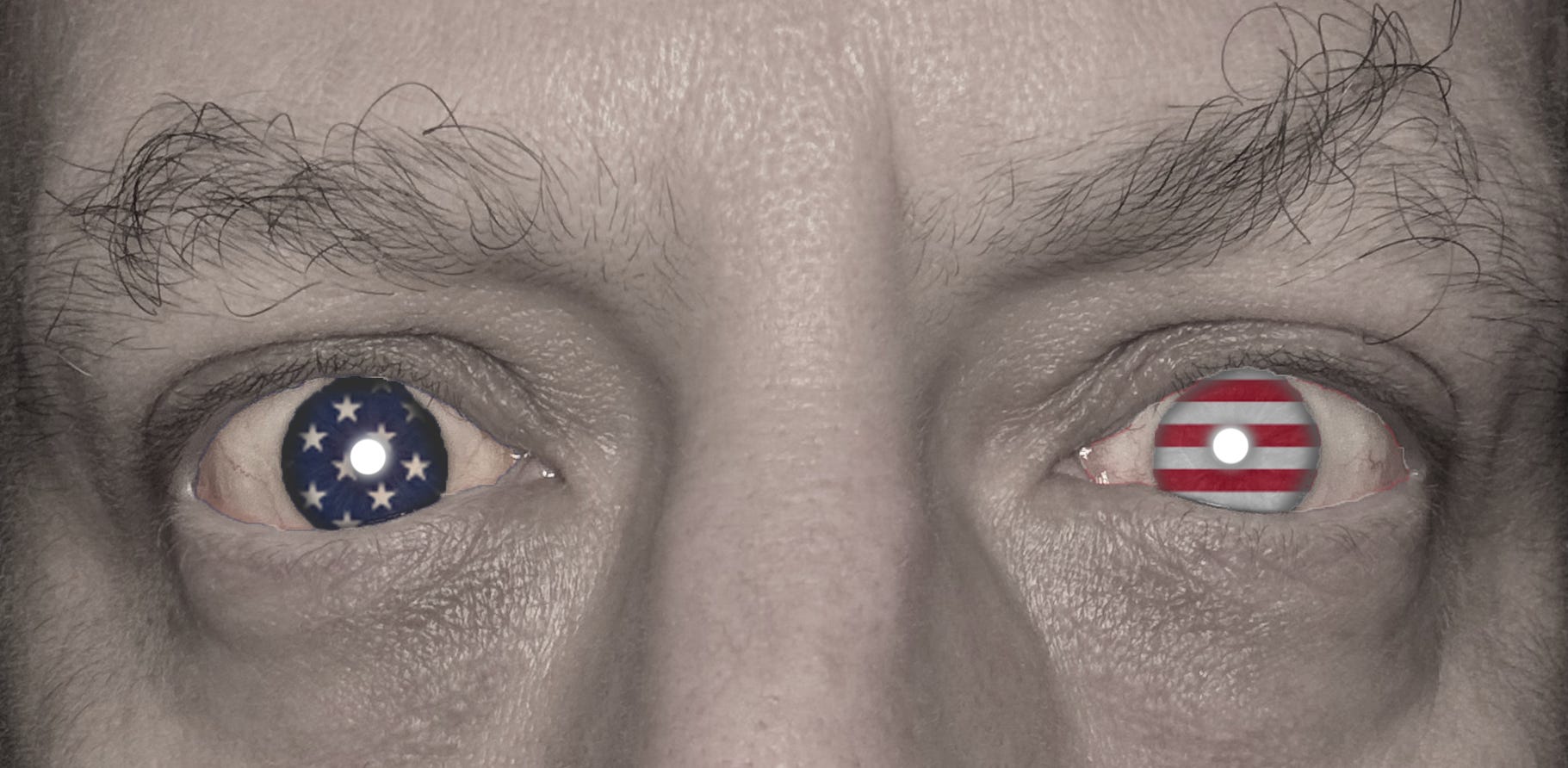
These fragments aren’t intended to represent the 50 stars in the flag, or the 50 years in my life. They’re just 50 thoughts about my life at this moment. Because other than that, what else do I have?
APPENDIX: